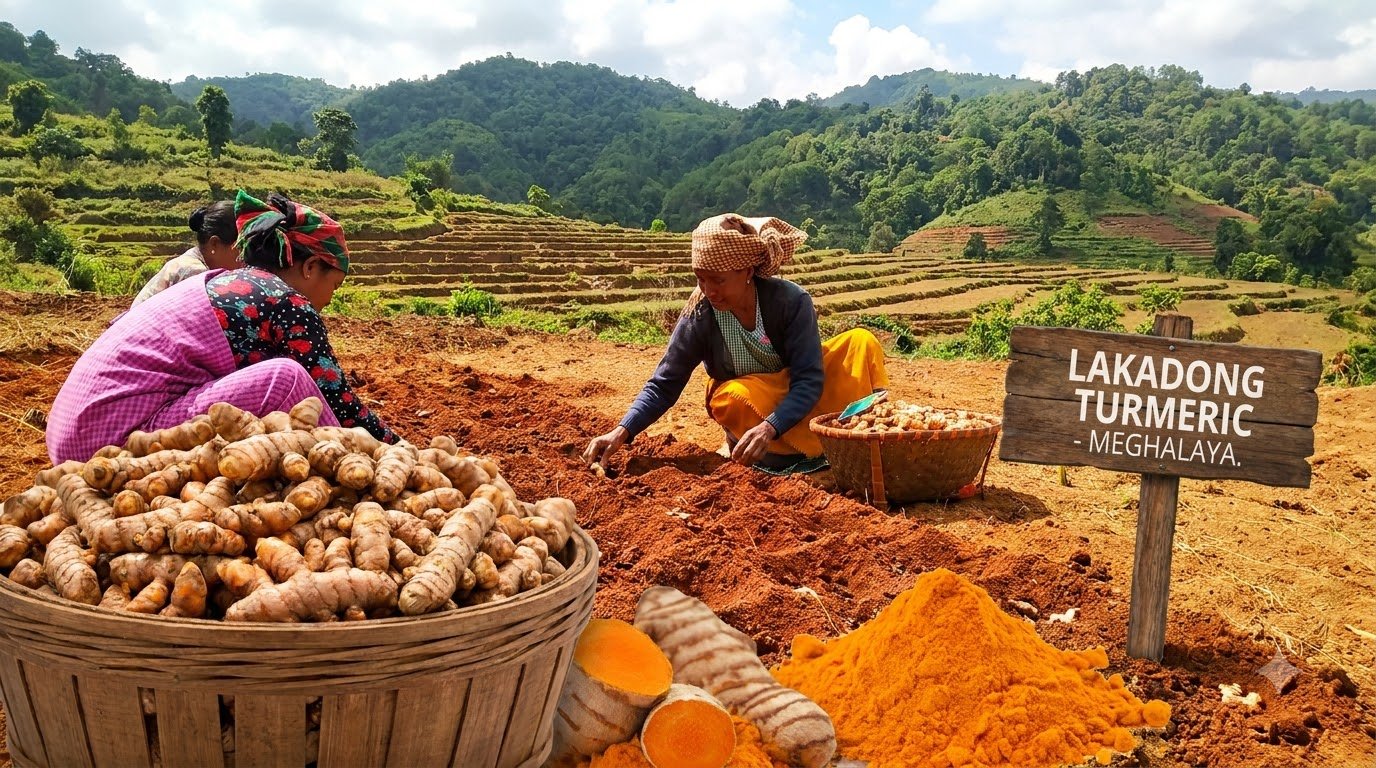
What Does "Verified" Actually Mean When You're Buying Lakadong Turmeric?
Search for a "verified Lakadong turmeric supplier" and you'll find plenty of listings that use the word freely, with little behind it a buyer could actually check. There isn't a central authority that stamps individual companies as verified. What experienced wholesale buyers and exporters mean by the term, in practice, is narrower and far more useful: a supplier who can produce specific, batch-matched proof rather than a general assurance.
For turmeric specifically, that proof tends to come down to three documents — a Certificate of Analysis for the exact lot on offer, a curcumin certification confirming potency for that batch, and a residue-free report showing the material has actually been tested rather than simply assumed to be clean. A supplier who can hand over all three, tied to the same batch number as the goods on the truck, has earned the word "verified" far more than one who simply uses it as a headline.
The rest of this guide breaks down what to expect from Lakadong turmeric specifically, how it tends to compare with turmeric sourced from other regions, what a wholesale order actually involves from inquiry to dispatch, and a practical checklist for vetting any supplier before you commit to a bulk or export contract.
Instead of taking "verified supplier" at face value, ask three things: can you show me the Certificate of Analysis for this specific batch, can you confirm curcumin content and residue-free status with a report I can check independently, and will the next container match this same specification? A supplier who answers all three without hesitation is worth shortlisting.
A Quick Snapshot of Lakadong Turmeric Quality Parameters
Before comparing suppliers, it helps to know roughly what a properly graded, verified batch of Lakadong turmeric should look like on paper. These figures are indicative ranges reported across shipments — the number that actually matters is the one printed on your batch's own documentation.
Typical Quality Profile of a Verified Batch
Four parameters wholesale and export buyers routinely ask about before confirming an order.
Why Wholesale Buyers Specifically Request Lakadong Turmeric
Lakadong turmeric takes its name from the Lakadong area in Meghalaya's Jaintia Hills, a high-rainfall, high-elevation belt in Northeast India. Buyers who formulate curcuminoid extracts, capsules or premium spice blends often name the variety specifically in their purchase orders, rather than simply asking for "turmeric," because generic sourcing rarely guarantees the same potency.
The terrain plays a real role here. Rhizomes grown at elevation, in the region's reddish, mineral-rich soil and heavy monsoon rainfall, are widely reported to develop a noticeably deeper orange-yellow color, a stronger aroma and a higher curcumin content than turmeric grown in many lower-altitude, high-volume growing regions. That combination is exactly why it commands attention from formulators who care about potency per kilogram rather than volume alone.
None of that means every bag labeled "Lakadong" performs identically — cultivation practices, harvest timing and post-harvest handling all still affect the final numbers. It's why the region matters as a starting point, but the batch-specific test report is still what actually confirms what you're buying.
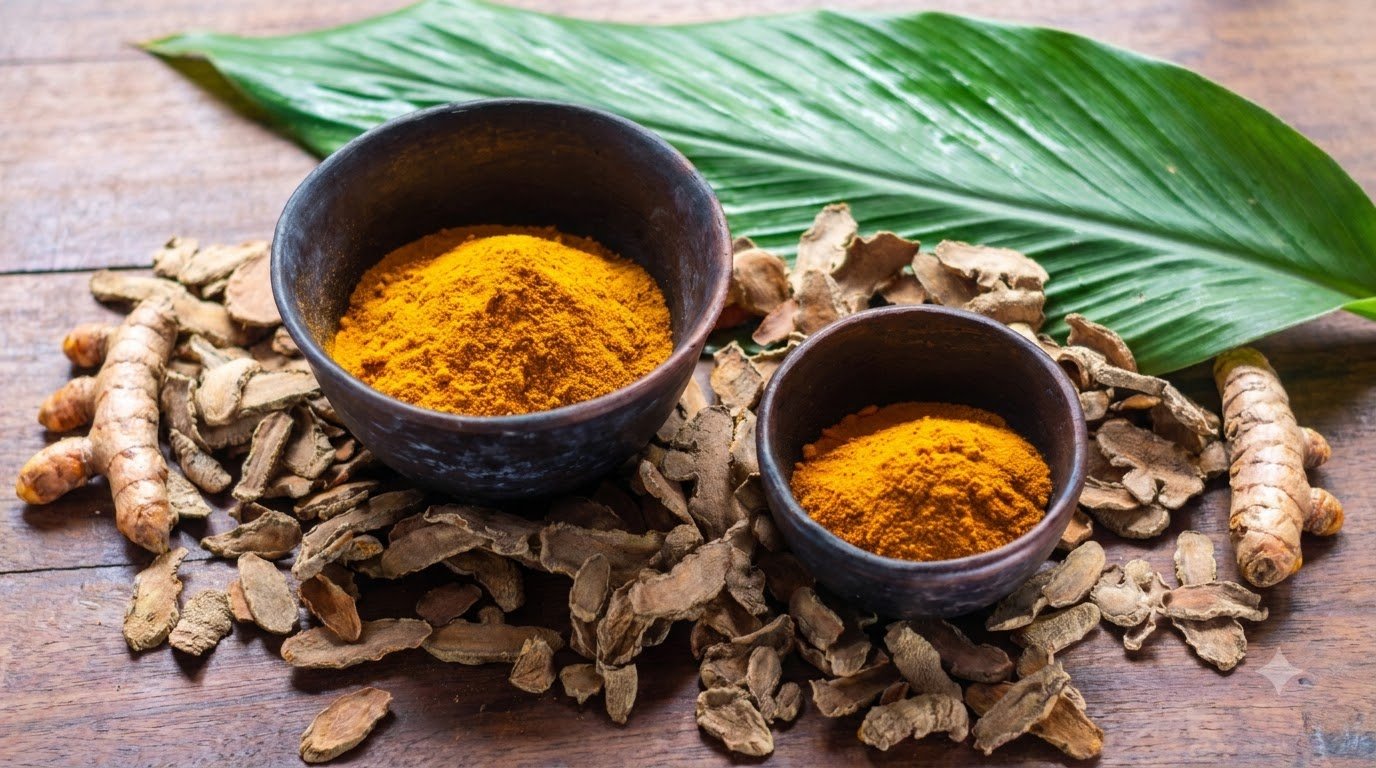
Elevation, rainfall and soil composition in the Jaintia Hills are commonly cited factors behind the variety's naturally higher curcumin content.
Lakadong Turmeric vs. Standard Bulk-Market Turmeric
"Turmeric" as a purchase order line item can mean very different things depending on where and how it was grown. Here's a general comparison wholesale buyers use as a starting reference point — actual figures should always be confirmed against the specific batch you're quoted.
How the Two Generally Compare
Indicative characteristics reported for Lakadong turmeric against typical standard bulk-market turmeric.
Wholesale Sourcing: What Bulk Buyers Should Confirm Upfront
A wholesale or export order works differently from a retail purchase, and the format you request matters as much as the variety. Most Lakadong turmeric suppliers offer a handful of formats, and confirming which one fits your formulation early avoids a mismatch later in the process.
Sun-dried "finger" and "bulb" turmeric, sold whole for buyers who grind or process it further at their own facility.
Whole rhizome with the outer skin polished off, giving a cleaner appearance for direct resale or repackaging.
Ground to a specified mesh size, the most common format for food, spice-blend and nutraceutical buyers ordering in bulk.
An intermediate format some processors prefer for their own extraction or further drying and grinding workflows.
Beyond format, three things are worth confirming directly with any supplier before you commit to a bulk quantity: the minimum order quantity for that specific format and packaging, the typical lead time from confirmed order to dispatch, and whether an evaluation sample with its own COA can be sent ahead of the full shipment. These vary supplier to supplier and are worth getting in writing rather than assuming.
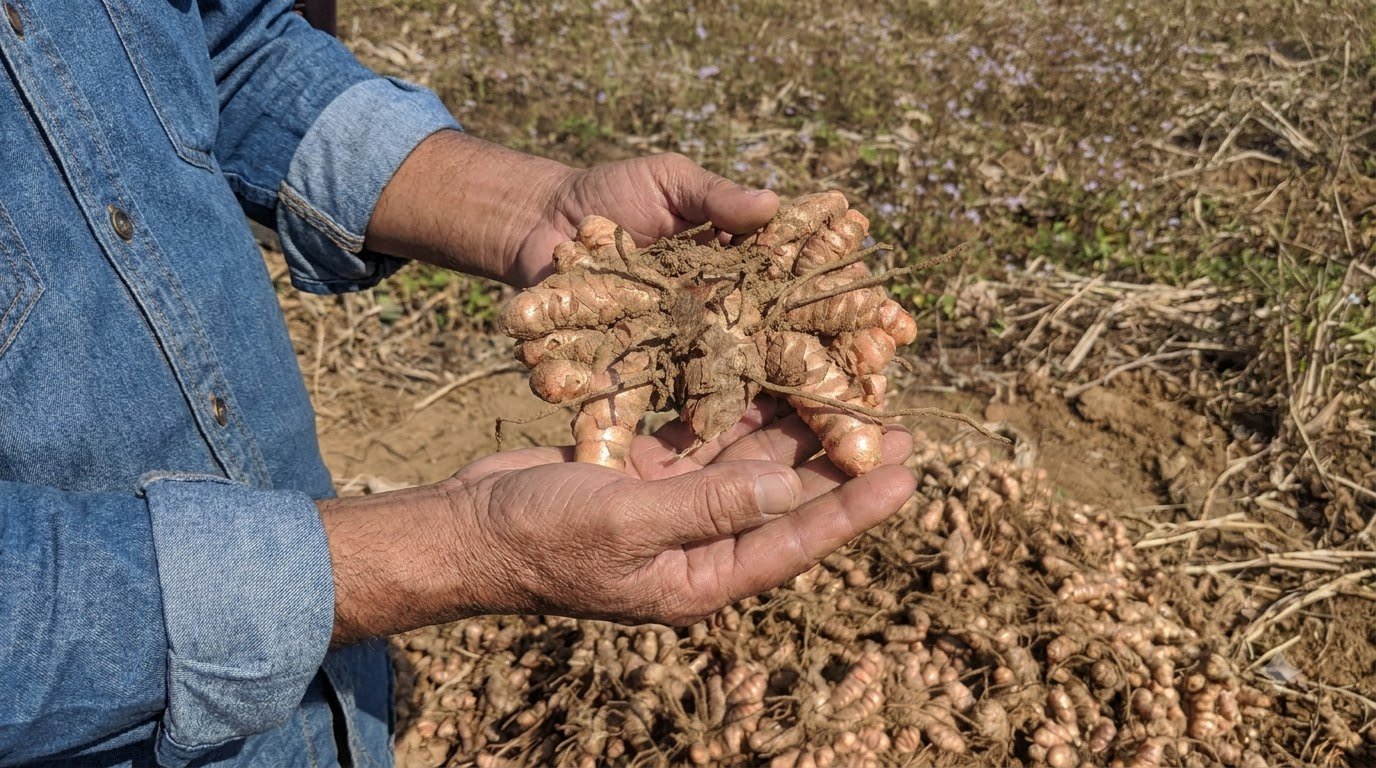
Grading and cleaning at this stage directly affects both the final curcumin reading and the consistency of every wholesale batch that follows.
How a Wholesale Lakadong Turmeric Order Actually Moves
Most buyers never see what happens between sending an inquiry and a shipment arriving at their facility. Here's the sequence a properly run wholesale or export order should follow, and what should be confirmable at each checkpoint.
The Order Journey, Checkpoint By Checkpoint
Six stages worth asking about before you place a bulk order.
Want to See a Real Certificate of Analysis Before You Order?
For wholesale and export buyers evaluating Lakadong turmeric, the batch-specific COA, curcumin certification and residue-free report are the documents worth reviewing before anything else. Reach out and we'll walk you through what's available for the batch you're considering.
The Three Documents That Actually Verify a Batch
A curcumin percentage printed on a product page is a claim. A signed, batch-referenced report is proof. With bulk agricultural sourcing, that gap matters, because a strong sample and a strong bulk shipment aren't automatically the same thing unless the paperwork says so.
Certificate of Analysis (COA)
Confirms curcumin content, moisture and other physical parameters for the exact batch number being shipped — not a generic "typical values" sheet.
Curcumin Certification
Independently confirms curcumin potency and purity for that specific lot, rather than an average figure quoted across all stock.
Residue-Free Certification
Confirms the batch has actually been tested and found free of detectable pesticide residue, relevant for both food-grade and nutraceutical buyers.
Signs a Supplier's "Verified" Claim Is Actually Real
- Issues a batch-specific COA with every shipment, not just the first sample
- Provides a curcumin certification referencing the same lot number as the goods
- Shares a residue-free report on request, not just a passing mention
- Can explain which region or grower community the batch was sourced from
- Holds the same specification steady across a second and third order
- Uses the word "certified" but can't produce an actual document
- Describes testing only as "in-house" with no independent report offered
- Gives vague answers when asked directly which region the batch came from
- Specification quietly shifts between the evaluation sample and the bulk order
- Reluctant to send a second sample before a larger wholesale commitment
Who Actually Places Wholesale Orders for Lakadong Turmeric
The reasons buyers request Lakadong turmeric by name vary quite a bit depending on what they're building with it — which is part of why "verified" needs to be checked against your own use case, not someone else's.
Buy whole and polished rhizome in bulk for regional resale, often citing color and aroma as the deciding factor over generic turmeric stock.
Prioritize curcumin content per kilogram, since a naturally higher starting concentration reduces the raw material needed to reach a standardized extract.
Use powder and polished formats for color intensity and flavor in sauces, spice blends and functional food products.
Source in bulk to repackage under their own label, relying on batch documentation to back up potency and purity claims made on their packaging.
Get Our Latest Wholesale Specification Sheet
Want to see what a properly documented, lab-tested Lakadong turmeric batch actually looks like before you place an order? We can walk you through the COA, curcumin certification and residue-free report for current stock.
A Practical Checklist for Verifying Any Lakadong Turmeric Supplier
Whether you're testing a single sample or setting up a recurring export contract, this is roughly the order experienced buyers work through.
FAQs — Verified Lakadong Turmeric Supplier
There is no single registry that hands out a "verified supplier" badge. In practice, it means the supplier can produce three specific things for the exact batch you are being quoted: a Certificate of Analysis, a curcumin certification confirming potency for that lot, and a residue-free test report, and can repeat that same standard on your next order.
Lakadong turmeric is a variety cultivated in Meghalaya's Jaintia Hills, known for a notably higher curcumin content than turmeric grown in many other regions, along with a deep orange-yellow color and pronounced aroma. Wholesale buyers formulating extracts or premium spice blends often name it specifically because generic turmeric in a purchase order doesn't guarantee that potency.
A supplier working to verified standards should test each batch and provide a residue-free certification confirming no detectable pesticide residue, rather than simply describing the product as natural or chemical-free without documentation.
At minimum, expect a batch-specific Certificate of Analysis, a curcumin certification for that lot, and a residue-free test report, all referencing the same batch number as the goods being shipped.
Wholesale orders are generally quoted in bulk formats such as whole rhizome, polished turmeric or powder, packed in larger units rather than retail packaging. Exact minimum order quantities vary by format and should be confirmed directly with the supplier for your specific requirement.
Yes. A reliable supplier should be able to send an evaluation sample along with its batch-specific COA and curcumin certification before you place a larger wholesale or export order, so you can verify the specification independently.
The main differences buyers report are a higher curcumin percentage, deeper color and stronger aroma, generally linked to the elevation, rainfall and soil conditions of the Jaintia Hills growing region. Individual batch results should still be confirmed against that lot's own test report rather than assumed from the variety name alone.
So, What Should You Look For in a Verified Lakadong Turmeric Supplier?
Honestly answered, "verified" was never going to be a single official title — it's a standard made up of specific, checkable parts. A batch-specific Certificate of Analysis. A curcumin certification tied to that lot. A residue-free report you can actually request. And a supplier who holds that same specification on the tenth wholesale order, not just the first sample they send you.
If you're comparing suppliers for a wholesale or export order, run the checklist in this guide against each one before you sign off on a purchase order — documentation, traceability and repeat-order consistency, in that order.
Indian Mercantile is a merchant trader and exporter sourcing Lakadong turmeric directly from grower communities in Meghalaya's Jaintia Hills, for wholesale and export buyers seeking whole, polished and powdered formats. A batch-specific COA, curcumin certification and residue-free report are available for review on request, based on the requirements of each order.