What Is Lakadong Turmeric, and Where Does Shillong Fit In?
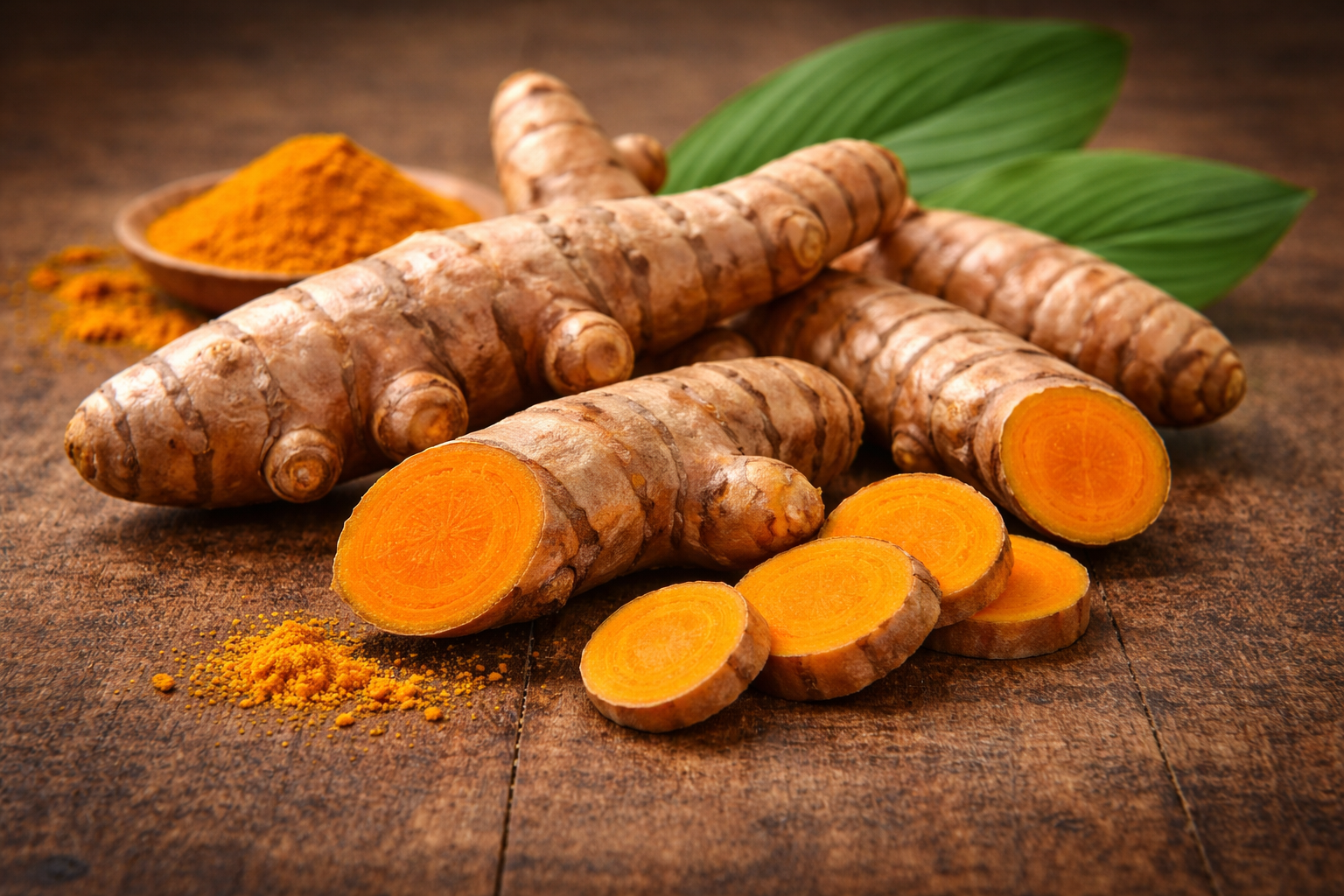
Lakadong isn't a turmeric variety you'd find written on a seed packet — it's a place. The name comes from a cluster of villages in the Jaintia Hills district of Meghalaya, in India's northeast, where turmeric has been grown on the same terraced hillsides for generations. Shillong, the state capital, sits a few hours away and functions as the region's main trading point: turmeric harvested in the Jaintia Hills is typically graded, processed and dispatched from around Shillong before it reaches a buyer's doorstep.
That distinction matters more than it sounds. A fair amount of turmeric powder sold under the "Lakadong" name today is blended or sourced from elsewhere and simply borrows the reputation. Turmeric genuinely grown in the Jaintia Hills belt and moved through Shillong's trading network tends to carry a noticeably deeper orange-red colour and a sharper, almost peppery aroma compared with commodity turmeric grown on the plains.
None of that should be taken on faith, though. The only way to actually confirm what's in a bag is to ask for lot-specific testing — which is exactly what a Certificate of Analysis and curcumin certification are for, and something we'll come back to later in this guide.
When a supplier says "Lakadong turmeric," they're making a claim about where it was grown — the Jaintia Hills belt of Meghalaya — not describing a proprietary product. The only way to verify that claim on a specific order is through documentation tied to that exact lot, not the name on the label alone.
How High Is the Curcumin Content in Lakadong Turmeric?
Curcumin is the compound behind turmeric's colour and most of what people associate with the spice, and it's usually the first thing a serious buyer asks about. Ordinary commodity turmeric powder, grown at scale and blended from multiple sources, generally sits in a fairly modest curcumin range. Turmeric from the Jaintia Hills belt around Shillong is widely reported to run considerably higher.
Curcumin Range — Lakadong vs Ordinary Turmeric Powder
Indicative curcumin percentage on a dry-weight basis. Figures vary by harvest and should always be confirmed against that specific lot's Certificate of Analysis.
The Soil, Altitude and Rainfall Behind the Colour
Curcumin content isn't random — it's shaped heavily by where and how the turmeric is grown. The Jaintia Hills sit at an elevation that gives the crop cooler nights than turmeric grown on the plains, and the region's red, iron-rich soil is often pointed to as a factor in both the depth of colour and the curcumin levels reported from this belt.
Grown at elevations that give cooler nights and a slower growing cycle than turmeric raised on flat, low-altitude farmland.
The laterite soil common across the Jaintia Hills is naturally high in iron and organic matter, both linked to stronger pigment in the harvested rhizome.
Meghalaya's heavy, well-distributed monsoon feeds the crop through its growing months without the irrigation dependency seen in drier turmeric belts.
Many Jaintia Hills farmers still sun- or shade-dry rhizomes the traditional way, a slower process widely believed to protect curcumin better than fast mechanical drying.
Lakadong Turmeric vs an Ordinary Bag: A Quick Quality Snapshot
Numbers on a spec sheet only tell part of the story. In practice, the difference between Lakadong turmeric powder from Meghalaya and an average commercial bag shows up across a handful of things a buyer can actually see, smell and feel — not just the curcumin percentage on a lab report.
Quality Attributes — Relative Comparison
An illustrative comparison across the attributes buyers most commonly evaluate, scored relative to a standard commercial turmeric powder baseline.
How Lakadong Turmeric Powder Is Actually Made
The rhizomes are typically hand-dug from hillside plots roughly nine to ten months after planting, once the crop has fully matured — a slower cycle than turmeric grown for quick commercial turnover. After harvesting, they're washed to remove hill soil, then briefly boiled, a step that helps fix the colour and shortens the drying time needed afterward.
Drying is where a lot of the character comes from. Many Jaintia Hills farmers still favour sun- or shade-drying over several days rather than fast mechanical dryers, a slower process widely believed to protect curcumin better than high-heat drying does. Once dried, the rhizomes are milled into powder, sieved for a consistent texture, and — for any batch worth buying — tested before it's packed.
Turmeric that's dried too quickly at high heat, or not dried thoroughly enough, can lose curcumin and become more prone to moisture-related spoilage. Ask a supplier how their turmeric is dried, and check the moisture figure on the Certificate of Analysis — a small detail that tells you a lot about how the batch was actually handled.
The Journey From a Jaintia Hills Farm to Finished Powder
Every stage between harvest and packing shapes the final colour, aroma and curcumin reading of the powder you eventually open.
Lakadong Turmeric — Processing Stages
A general sequence followed from harvest through to packing for a genuine Jaintia Hills-sourced batch.
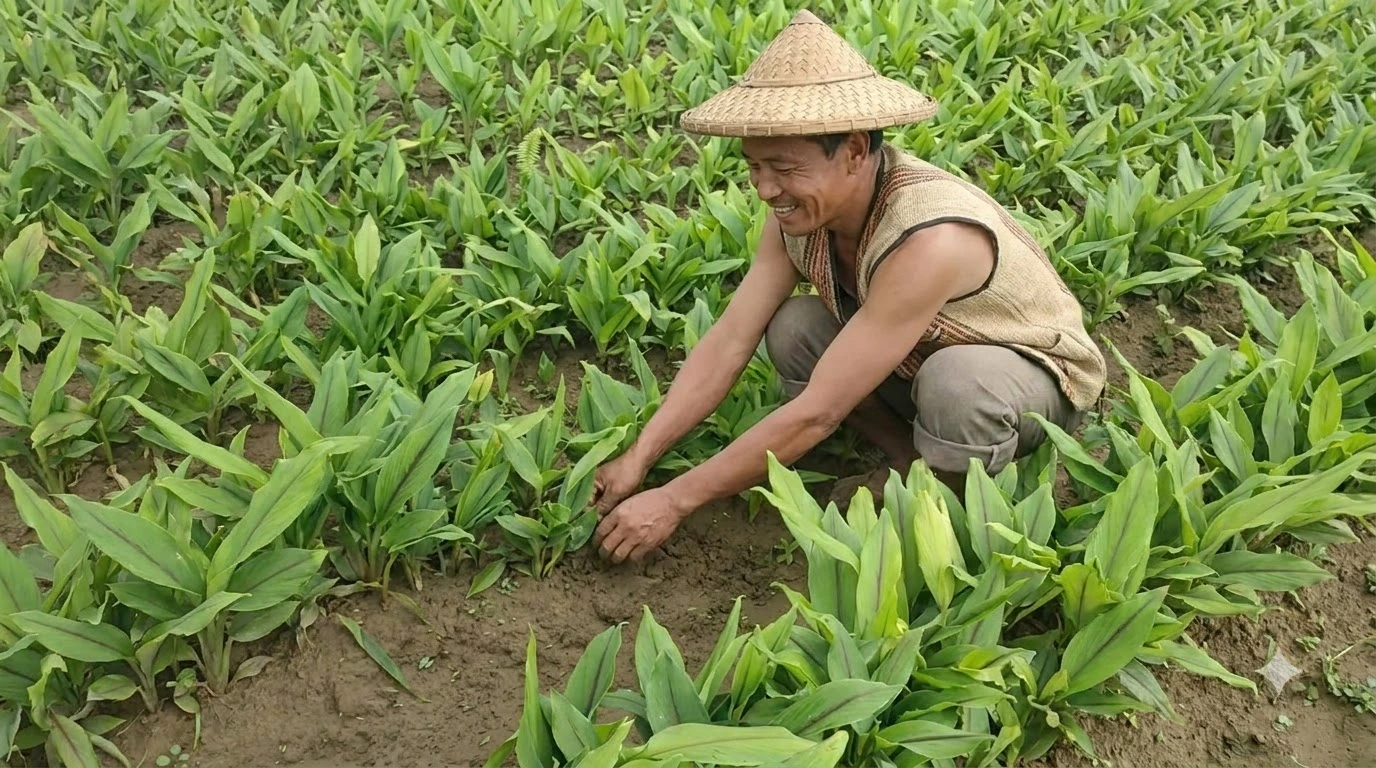
Terraced hillside plots like these across the Jaintia Hills are where genuine Lakadong turmeric is traditionally grown.
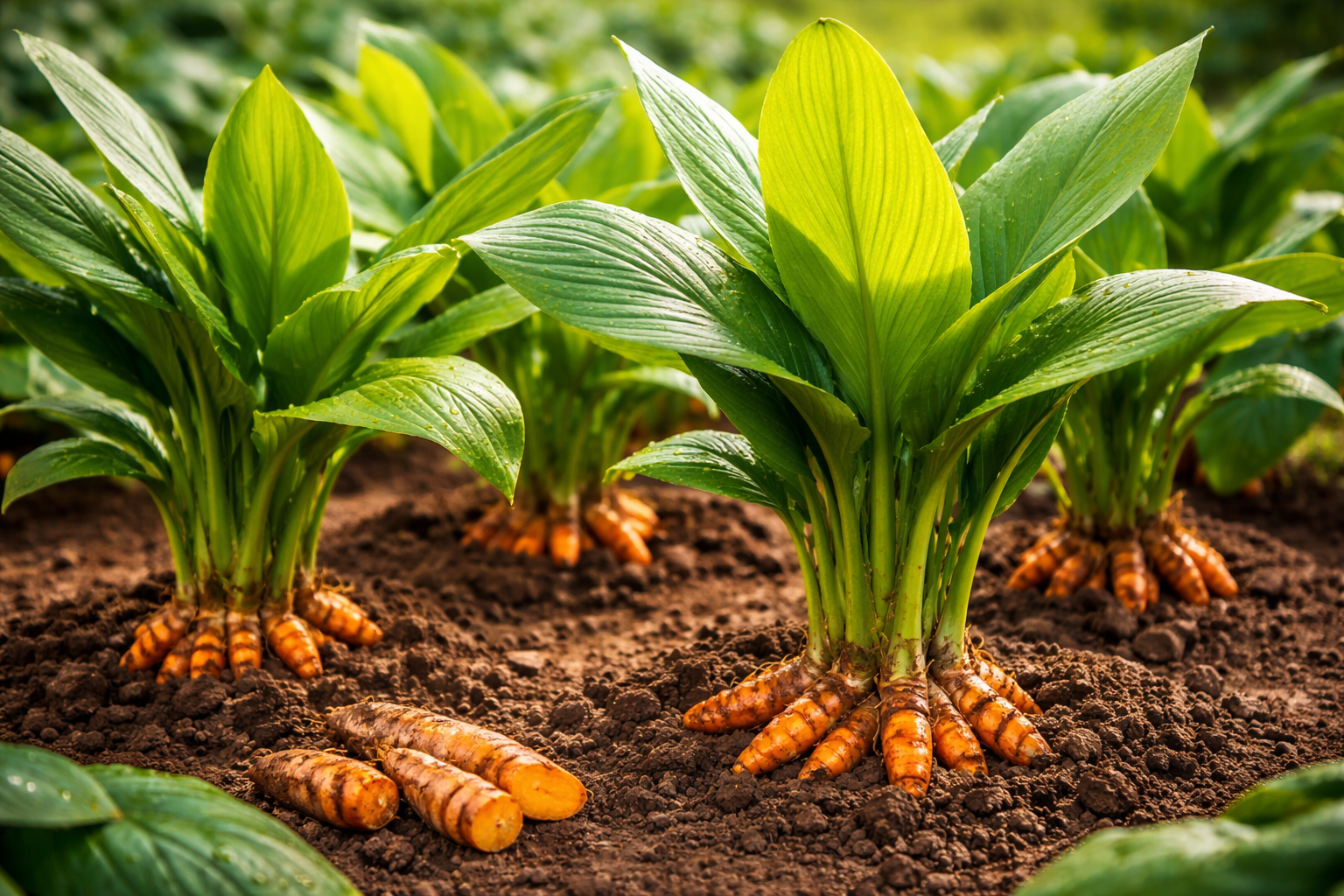
Rhizomes fresh off the hillside, before washing, boiling and the drying process that shapes the final powder's colour.
Want a Sample With Lot-Level Documentation?
We can share a small sample of Lakadong turmeric powder along with the Certificate of Analysis and curcumin certification for that batch, so you can judge it against your own standards before placing an order.
How People Use Lakadong Turmeric Powder
Lakadong turmeric powder's reputation isn't only about lab numbers — it shows up in how people actually use it, from home kitchens across Northeast India to formulation rooms at wellness and food brands.
Its stronger colour means a smaller quantity typically does the same job as a larger amount of ordinary turmeric powder in curries, dals and rice dishes.
A common habit across Northeast India, where a pinch is stirred into warm milk or herbal decoctions as part of everyday routine, not a packaged supplement.
Mixed with simple kitchen ingredients like besan or yogurt for traditional face packs, valued for its colour and fine texture rather than any medical claim.
Bought in larger formats by manufacturers who want a consistent, traceable, high-curcumin input rather than a blended commodity powder.
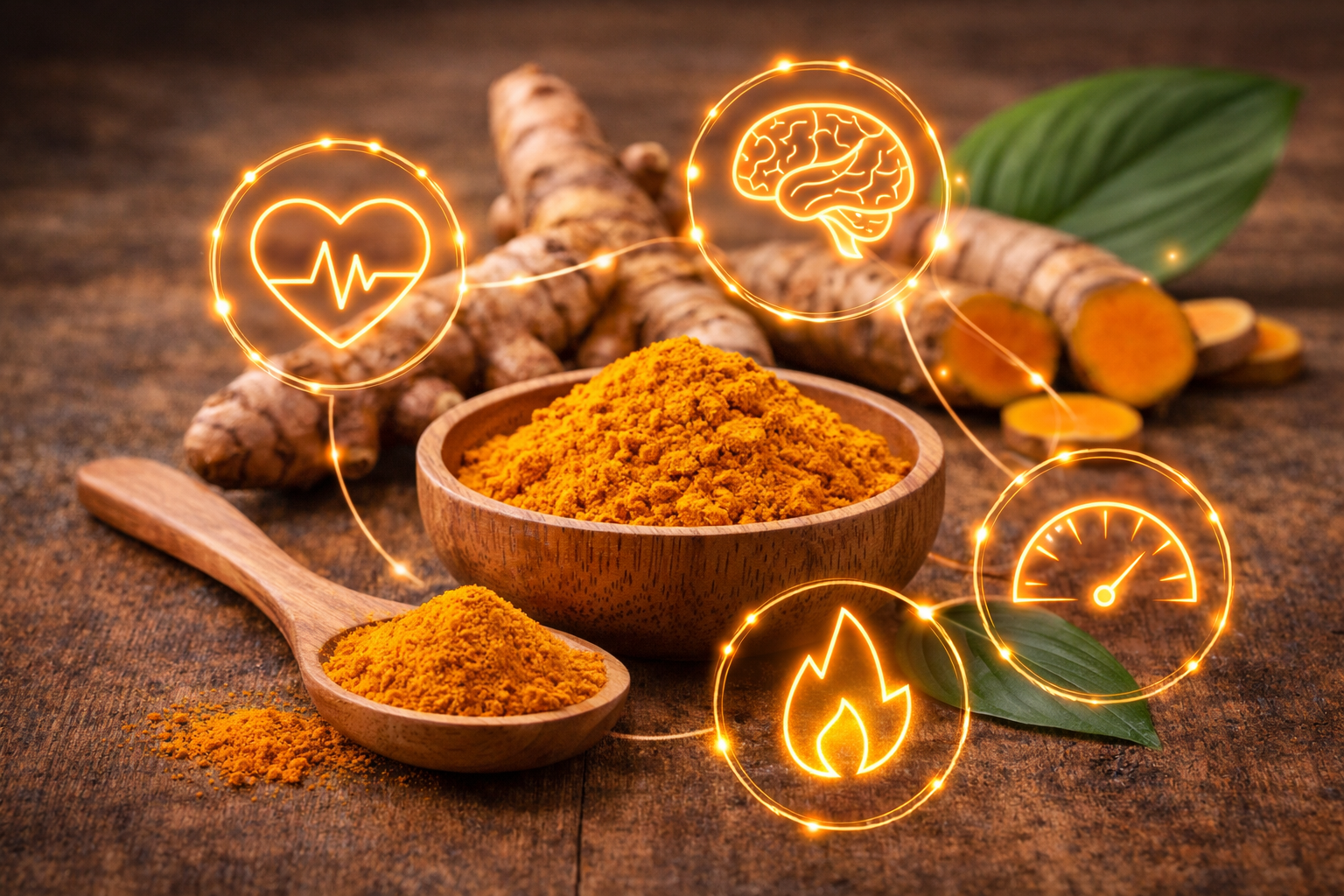
The deep, natural colour of finished Lakadong turmeric powder — no added colour, just what curcumin content produces on its own.
How to Tell You're Actually Buying Lakadong Turmeric Powder
"Lakadong" has become popular enough as a search term that it gets used loosely, sometimes on turmeric that has little to do with the Jaintia Hills. None of the following checks depend on trusting the label; they depend on what a supplier is actually willing to show you.
- A batch-specific Certificate of Analysis (COA) covering curcumin, moisture and ash content
- A curcumin certification confirming the actual percentage tested for that lot
- A visibly deep orange-red colour and a sharp, slightly peppery aroma when the bag is opened
- A clear answer about which part of the Jaintia Hills the turmeric was sourced from
- A supplier willing to share a small sample before you commit to a larger order
- Consistent colour and texture from batch to batch, not variation you have to guess at
- "Lakadong" used as a label with no batch-specific test result to back it up
- No moisture or curcumin figures offered unless you ask more than once
- A flat, dull yellow colour that looks closer to ordinary commodity turmeric
- Vague answers about where in Meghalaya the turmeric was actually grown
- Reluctance to send a small sample ahead of a bulk order
- A generic "grown in India" origin claim instead of naming a specific hill, village or district
A Quick Checklist Before You Order
A short verification step before confirming an order saves most of the trouble buyers run into with turmeric sold loosely under the Lakadong name.
- 📄Ask for the batch-specific COA and curcumin certification — not a generic reference report for the region.
- 📍Ask exactly where within the Jaintia Hills the batch was sourced — a vague country- or state-level answer isn't enough.
- 🧪Request a small sample first — matched to the same lot you'd actually be ordering, not a reference sample.
- 📦Confirm packaging format in writing — net weight, bag type and liner, before packing begins.
- 💧Check the moisture and ash figures — they affect shelf life and hint at how carefully the batch was dried.
See a Real Certificate of Analysis
Want to see an actual lot-specific Certificate of Analysis and curcumin certification for Lakadong turmeric powder before you order? We're happy to share one.
FAQs — Lakadong Turmeric Powder
The main difference comes down to origin and curcumin content. Turmeric genuinely grown in the Jaintia Hills belt of Meghalaya and traded through Shillong tends to carry a noticeably higher curcumin range and a deeper natural colour than commodity turmeric blended from multiple plains-grown sources. The only way to confirm this on any specific order is through a batch-specific Certificate of Analysis rather than the name on the packet.
Lakadong refers to a cluster of villages within the Jaintia Hills district of Meghalaya, where the turmeric is traditionally cultivated on hillside plots. Shillong, the state capital, sits nearby and functions as the main trading and dispatch hub — turmeric grown in the hills is typically graded, processed and shipped out from around Shillong rather than directly from the farms themselves.
The colour is closely tied to curcumin content, which is reported to run considerably higher in turmeric from this belt than in ordinary commercial turmeric. The region's iron-rich red soil, hill elevation and traditional slow drying methods are commonly cited as contributing to both the colour and the curcumin levels found in genuine Jaintia Hills-grown batches.
Many small farms across the Jaintia Hills use traditional, low-input cultivation methods with few or no synthetic chemicals, largely because of how the crop has always been grown there rather than as a certified programme. A buyer shouldn't assume organic status from origin alone — what can actually be confirmed on any given batch is curcumin content and quality parameters through that lot's Certificate of Analysis.
Ask the supplier for the Certificate of Analysis and curcumin certification tied to that exact lot, not a general reference figure quoted for the region as a whole. A batch-specific report should show curcumin, moisture and ash content, giving you something concrete to check the powder against once it arrives.
Keep it in an airtight container, away from direct light, heat and moisture — the same rules that apply to most ground spices. Turmeric powder that has been properly dried and packed in moisture-barrier packaging generally holds its colour and aroma well for a long stretch, but repeated exposure to humid air will dull both faster than most people expect.
Yes, bulk and wholesale orders are common, typically packed in formats ranging from smaller kraft pouches up to larger bulk bags depending on how the buyer plans to use or repack the powder. Whatever the order size, ask for the same lot-specific documentation, Certificate of Analysis and curcumin certification, that you would expect on a smaller trial order.
So, Is Lakadong Turmeric Powder From Shillong Worth Seeking Out?
If you care about colour, aroma and curcumin content, then yes — turmeric genuinely sourced from the Jaintia Hills belt and traded through Shillong tends to outperform ordinary commodity turmeric on all three fairly consistently. But "Lakadong" on a label is a starting point for asking questions, not a guarantee in itself.
The checks that actually matter don't change with order size: a batch-specific Certificate of Analysis, a curcumin certification tied to that exact lot, a clear answer about which part of the Jaintia Hills the turmeric came from, and packaging suited to how you plan to use it. A small trial pouch deserves the same documentation as a larger bulk order — what changes is simply how much is riding on getting it right.
- 📄Ask for the COA — curcumin, moisture and ash figures for that exact batch.
- 🧪Ask for the curcumin certification — a specific figure, not a regional average.
- 📍Confirm the growing location — a named part of the Jaintia Hills, not a vague claim.
- 🎨Check colour and aroma yourself — request a sample before a bulk commitment.
- 📦Match packaging to your use case — trial pouches through to larger bulk formats.
We work directly with farming families across the Jaintia Hills of Meghalaya to bring genuine, single-origin Lakadong turmeric powder to buyers in Shillong and beyond, with a lot-specific Certificate of Analysis and curcumin certification on every batch. Reach out through the contact links on this page for trial or bulk enquiries.