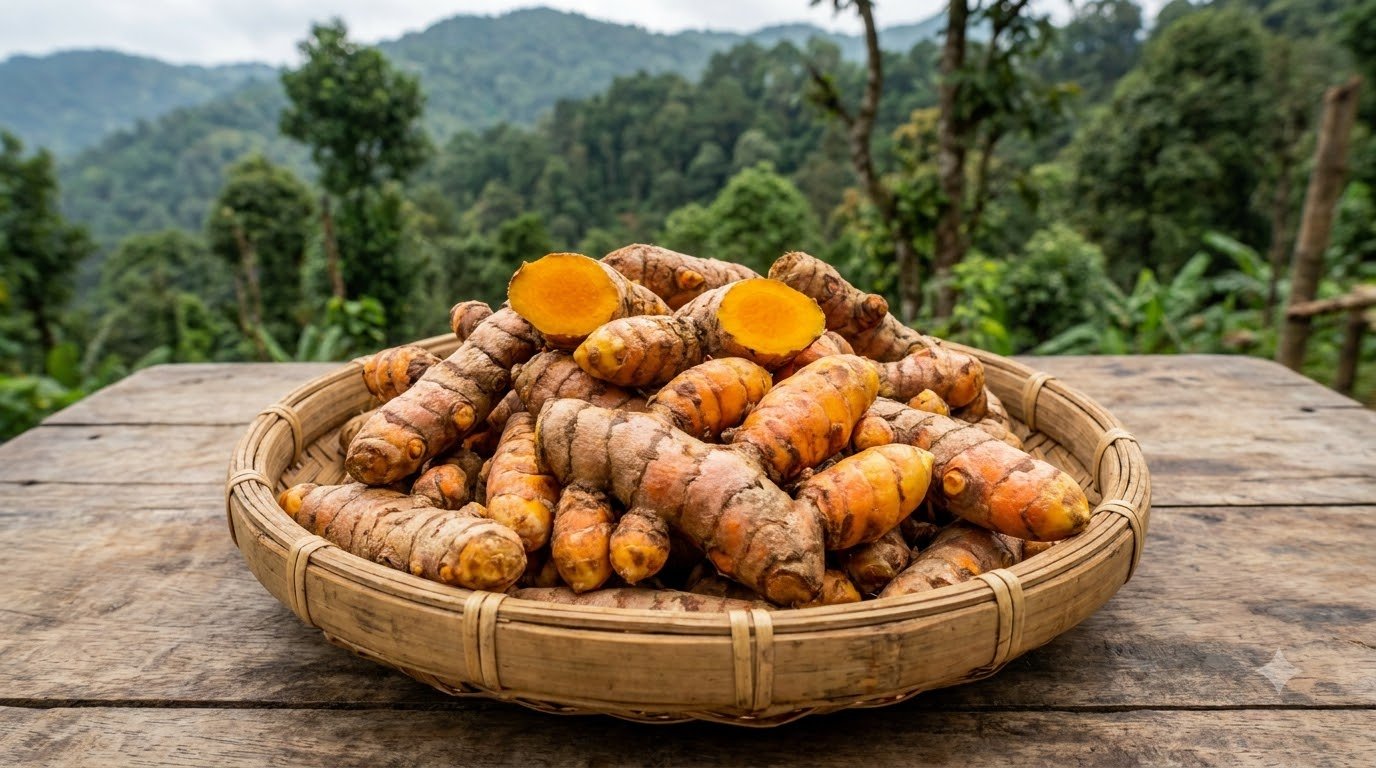
Quick Answer
Curcumin percentage testing measures the concentration of curcumin and related curcuminoids in a dried turmeric sample, usually through HPLC or UV-Vis spectrophotometry. Lakadong Turmeric from Jaintia Hills, Meghalaya typically tests between 6.8% and 7.5% curcumin, with select high-altitude harvest lots reported higher, compared to roughly 2%–4% for most commercial turmeric. Always ask for a batch-specific Certificate of Analysis rather than relying on a general marketing figure.
Why Curcumin Percentage Testing Matters for Lakadong Turmeric Buyers
Curcumin is the compound most buyers are actually paying for when they choose turmeric over generic yellow spice powder — it's what drives the colour, much of the flavour complexity, and the bioactive value that nutraceutical and supplement manufacturers formulate around. A "high curcumin" claim on its own doesn't tell you much, because curcumin content isn't something you can judge by eye or by smell.
This is where testing becomes the deciding factor rather than a formality. Two batches of turmeric that look identical in colour and texture can differ meaningfully in actual curcumin content — sometimes by a wide margin — depending on the plot, the harvest year, and how the rhizomes were dried. A percentage figure only means something once it's tied to a specific batch and backed by an actual lab result.
For nutraceutical buyers formulating capsules or extracts, this number directly affects dosage calculations. For spice and food-grade buyers, it's a useful proxy for overall quality and freshness. Either way, the only way to know what you're actually buying is a documented test — not the region's reputation, and not a number on a product page.
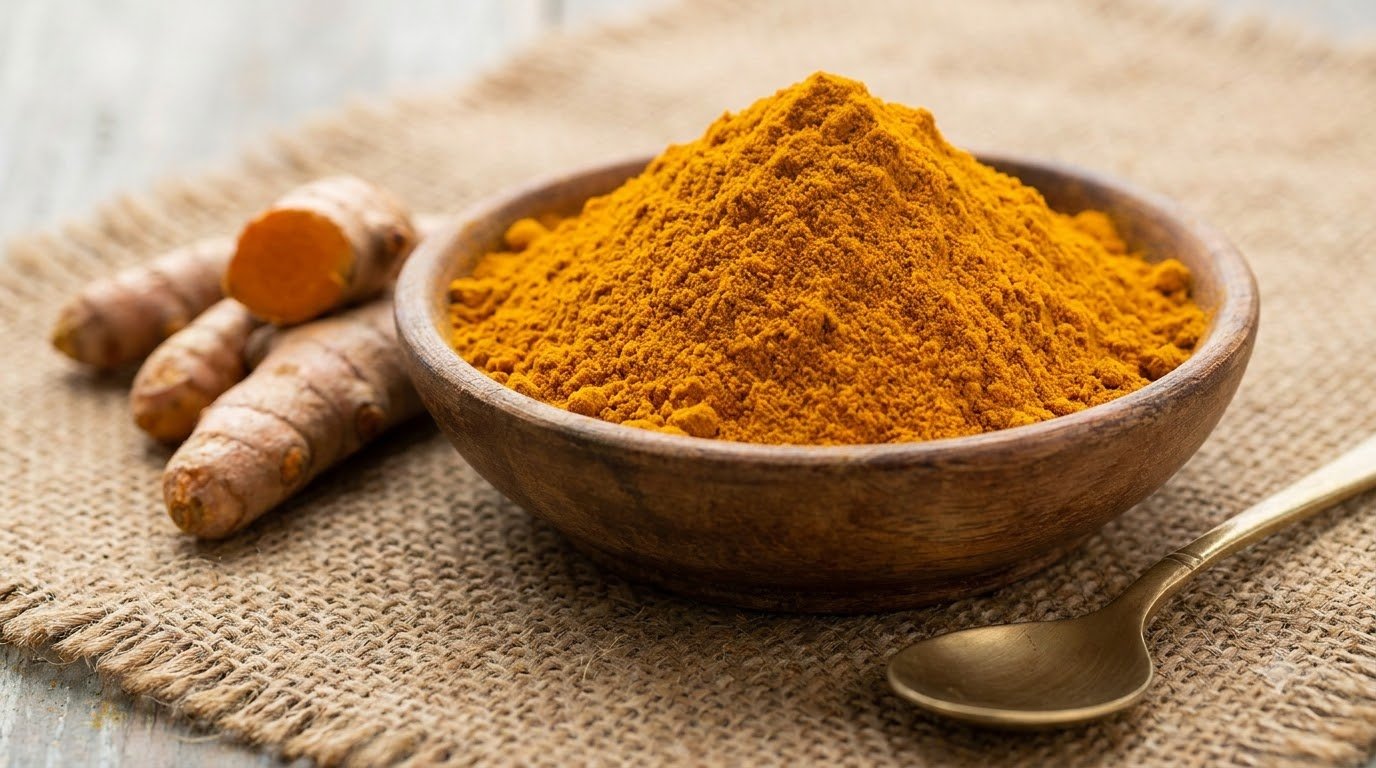
Curcumin Percentage in Lakadong Turmeric vs Other Indian Varieties
Curcumin content varies significantly by growing region, cultivar, and even the specific plot and harvest year. Lakadong Turmeric consistently ranks among the highest-testing turmeric grown in India, which is one reason it's sought after by nutraceutical manufacturers and spice buyers who need stronger curcuminoid concentration per kilogram. The figures below are typical reported ranges, not results from any single shipment — always confirm with a batch-specific test.
Curcumin Percentage — Typical Reported Ranges
Bar length reflects the upper end of each typical range on an illustrative 0–8% scale.
Ranges are indicative, compiled from commonly cited agricultural and trade references. Actual curcumin percentage always depends on the specific batch, harvest year and testing method used — treat this as context, not a substitute for a lab report.
How Curcumin Percentage Testing Works for Lakadong Turmeric
Not all "tested" numbers are measured the same way. HPLC (High-Performance Liquid Chromatography) is the closest thing the trade has to a gold standard — it separates and quantifies the individual curcuminoids rather than giving one blended estimate, which is why nutraceutical and pharma buyers usually insist on it. UV-Vis spectrophotometry is faster and cheaper, and works well for routine screening, but it reports a combined curcuminoid estimate rather than an individual breakdown. Older wet-chemistry titration methods still exist but are rarely accepted for serious trade documentation today because of their lower precision.
When you request a Certificate of Analysis, it should state which method was used. An HPLC-verified 7% reading and a rough estimate that simply calls itself "7%" are not the same level of confidence, even though they look identical on paper.
HPLC
Separates and quantifies individual curcuminoids. Preferred for nutraceutical and pharma-grade documentation. Turnaround typically 3–5 days.
UV-Vis Spectrophotometry
Faster and lower-cost, giving a combined curcuminoid estimate. Well suited to routine spice-trade quality checks. Turnaround typically 1–2 days.
Titration / Wet Chemistry
Quick internal screening only. Lower precision means it's rarely accepted for formal trade documentation today.
What a Genuine Curcumin & COA Report Includes
A proper Certificate of Analysis is more than a single number. It usually includes the batch or lot number, the date of testing, the curcumin percentage (with a curcuminoid breakdown if HPLC was used), moisture content, ash and acid-insoluble ash content, extraneous or foreign matter, the testing method used, the name of the testing laboratory, and an authorised signatory.
A COA tied to a specific batch number is far more meaningful than a general spec sheet that isn't linked to the shipment you're actually being offered — turmeric is an agricultural product, and results genuinely shift from one harvest lot to the next. We share a batch-specific COA and curcumin percentage certification alongside sample dispatch, so buyers aren't left taking a printed number on faith.
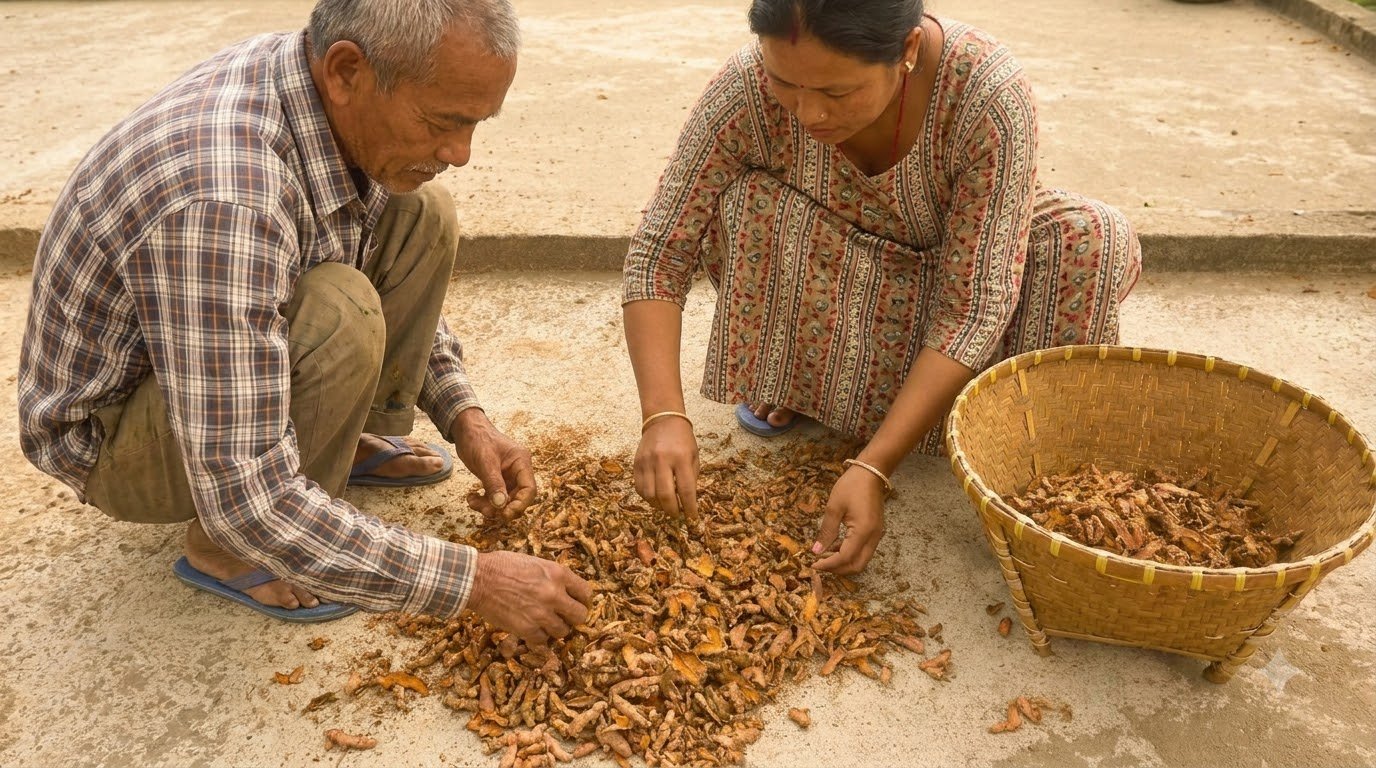
Typical Curcumin Percentage Range for Lakadong Turmeric
The elevation, cooler climate and soil profile of Jaintia Hills, combined with the local cultivar, are generally credited for why this turmeric tends to test higher than lowland-grown varieties. Reported curcumin percentage for Lakadong Turmeric typically sits between 6.8% and 7.5%, with select high-altitude harvest lots tested higher — well above the roughly 2%–3% seen in average commercial turmeric powder.
Curcumin Percentage Spectrum (0–10% scale)
Illustrative placement of typical ranges — a batch-specific COA is the only way to confirm where a given shipment actually falls.
Even within Lakadong-grown turmeric, results vary by plot, harvest timing and drying method — which is exactly why a batch-specific COA matters more than a general figure quoted for the variety as a whole.
Common Misconceptions About Curcumin Percentage
A few assumptions come up often enough among buyers that they're worth addressing directly before you start comparing suppliers.
"Darker colour means higher curcumin."
Reality: Colour intensity is affected by drying method, particle size and grinding, not curcumin content alone. It's a visual cue at best, never a substitute for a lab-tested percentage.
"A higher number is always better."
Reality: For nutraceutical extraction, higher curcumin usually does matter more. For culinary or colour-focused use, aroma and low foreign matter can matter just as much as chasing the highest possible figure.
"If a seller quotes a number, that's the tested result."
Reality: A number without a batch-specific, lab-issued COA is a claim, not a verified result. Always ask which lab, which method, and which batch the figure is tied to.
How to Verify Curcumin Percentage Before You Order Lakadong Turmeric
A short checklist before you commit to an order can save a lot of back-and-forth later, especially on larger shipments.
- 1Ask for a batch-specific COA, not a general brochure figure that isn't tied to any particular lot.
- 2Confirm the testing method used — HPLC is preferred if you're formulating for nutraceutical use.
- 3Match the COA's date and batch number to the actual lot you're being offered.
- 4Request a small pre-shipment sample so you, or your own lab, can cross-check before a larger order.
- 5Ask which laboratory carried out the test, so the report can be independently reviewed if needed.
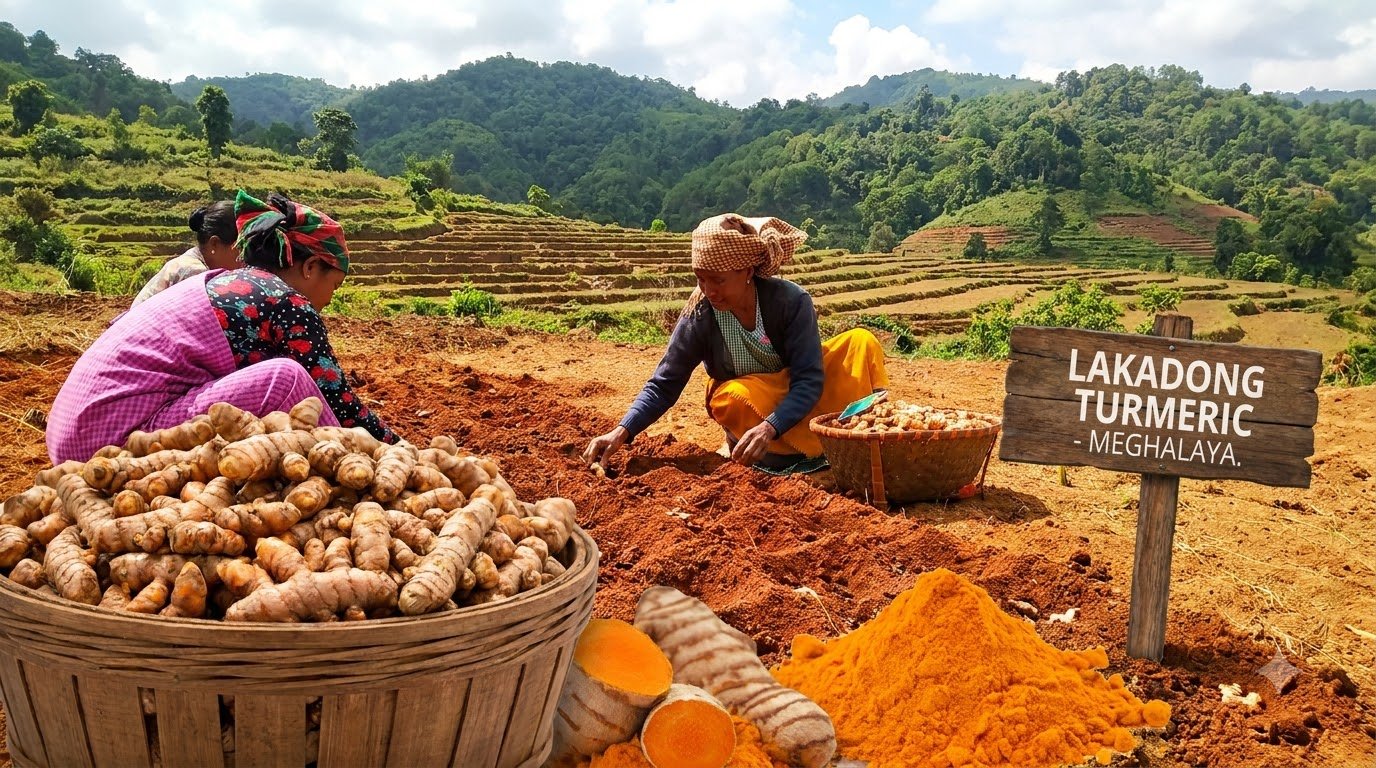
FAQs — Curcumin Percentage Testing in Lakadong Turmeric
Most batch-tested Lakadong Turmeric falls between 6.8% and 7.5% curcumin, considerably higher than the 2%–4% typical of common commercial turmeric powder. Some high-altitude harvest lots have tested higher, though the exact figure always depends on the specific batch.
Curcumin percentage is measured in a lab, most reliably using HPLC, which separates and quantifies the individual curcuminoids. UV-Vis spectrophotometry is a faster, lower-cost method used for routine screening, though it gives a combined estimate rather than an individual breakdown.
Not necessarily. A higher percentage matters most for nutraceutical or extraction use, where formulation is based on curcumin content. For culinary or colour-focused buyers, aroma, particle consistency and low foreign matter can matter just as much as the raw percentage figure.
Yes. A batch-specific Certificate of Analysis, including the curcumin percentage and other quality parameters, can be shared before you confirm an order, along with a pre-shipment sample if you'd like to verify it independently.
Curcumin content is influenced by the specific plot, harvest timing, soil conditions in that season, and drying process, so even turmeric from the same region and variety can show slightly different results from one harvest lot to the next.
HPLC is generally considered the more reliable and precise method because it measures the individual curcuminoids separately. UV-Vis spectrophotometry is a widely used, faster alternative that works well for routine quality checks but offers less granular detail.
You can request a batch-specific COA and curcumin percentage report by phone, WhatsApp or email, mentioning the quantity and product form you're interested in so the correct batch documentation can be shared with you.
Want a Lab-Verified Curcumin Percentage, Not Just a Figure on a Page?
Request a batch-specific COA and curcumin percentage report for Lakadong Turmeric — tested results, not guesswork.